Every pound spent at an independent business recirculates more of its value locally than the same pound spent at a chain. Here's what the research says — and what it feels like on the ground.
There's a number that comes up whenever this conversation gets serious: for every £1 spent at a local independent business, around 63p stays in the local economy. Spend it at a chain and that figure drops to roughly 40p. The difference doesn't sound dramatic until you multiply it across a town's entire spending over a year. At that scale, the gap between a town with a thriving independent sector and one without becomes visible in infrastructure, employment, and in the texture of the place itself.
The Economic Case in Brief
The reason more money stays local with independents is straightforward. Independent businesses tend to buy locally — from local suppliers, local accountants, local cleaners, local tradespeople. The money circulates. A chain's money largely exits the local economy: central procurement, head office costs, profit to shareholders elsewhere.
This isn't an argument against chains existing — it's an argument for understanding what your spending actually does. The two aren't equivalent transactions even if the price is similar. One funds a local business and everything it buys locally. The other funds a national or global operation that happens to have a unit in your town.
Local spending also has a property tax dimension. Independent businesses in commercial premises contribute business rates to local council funding. When they close and chains don't replace them — or when units stay empty — that revenue disappears. Empty high streets aren't just a visual problem.
The Harder-to-Quantify Stuff
The economic argument is the easy one to make. It's not usually why people develop strong feelings about independents.
The feelings tend to come from a specific shop, a specific person. The butcher who remembers what you had last time and has a suggestion for something different. The bookshop that stocks things you didn't know you were looking for, with a staff recommendation shelf that reflects actual reading rather than a publisher's payment. The café where the owner and the regulars know each other's names, where the corner table is implicitly yours on a Tuesday morning.
These places are harder to replace than a unit on a retail park. They accumulate character over time. They become part of how a community understands itself — the local reference points, the meeting places, the things you recommend to people visiting for the first time.
When they close, the gap is real in a way that's difficult to articulate until you experience it. The chain that opens in the space is not a substitute. It's a different kind of place entirely.
A Caveat Worth Making
Not every independent business is good just because it's independent. Some are mediocre and badly run. Some have been coasting on habit and goodwill for years. Some charge significantly more than chain equivalents without offering significantly more in return.
The argument for independent shopping isn't an argument for uncritical support of anything that isn't a chain. It's an argument for making considered choices — seeking out the independents that are genuinely good, returning to them when they earn it, and letting the ones that don't improve quietly fail.
The independents that survive and improve do so because customers make choices based on quality. The ones that don't, don't.
The CT Area in Particular
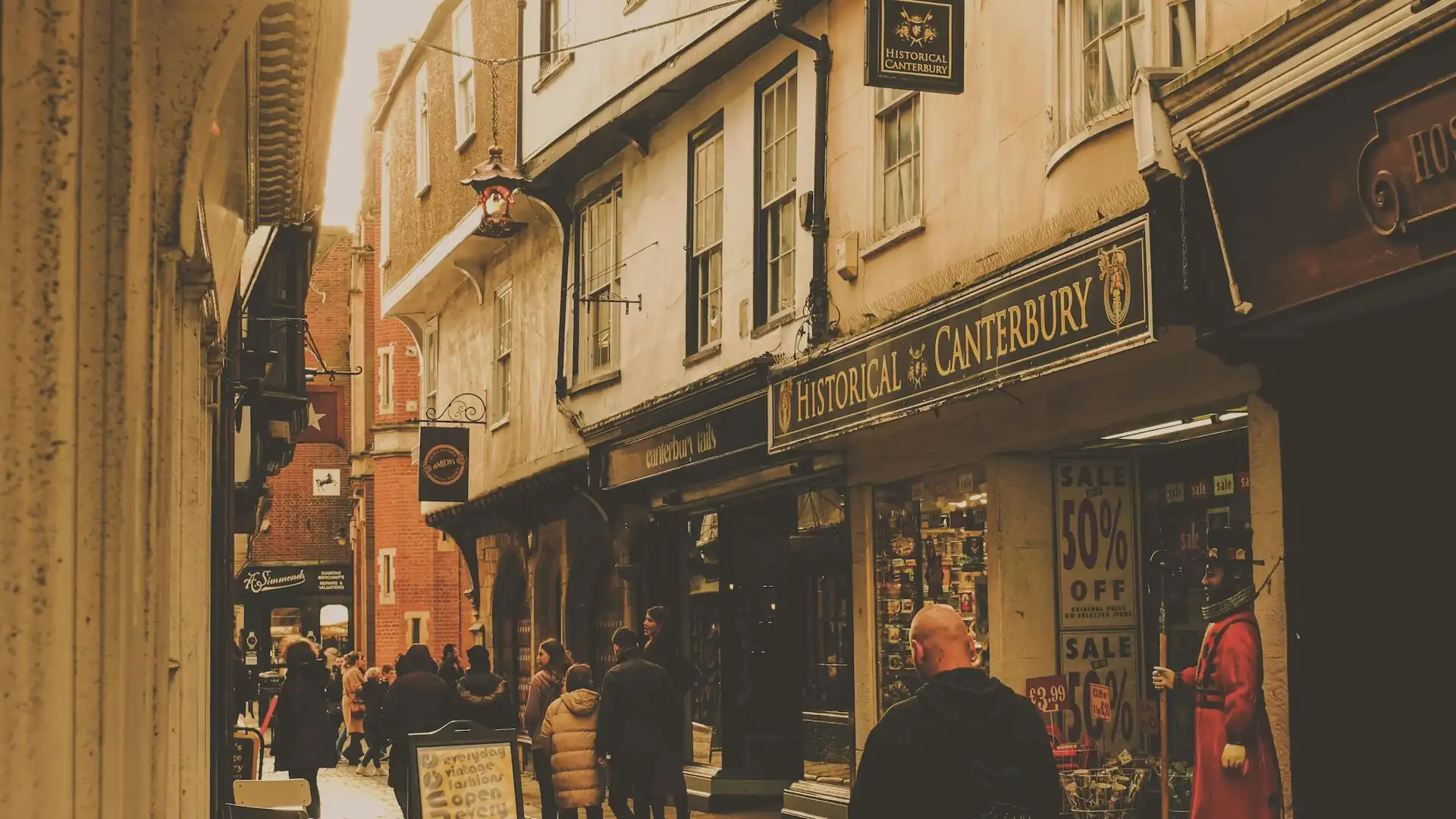
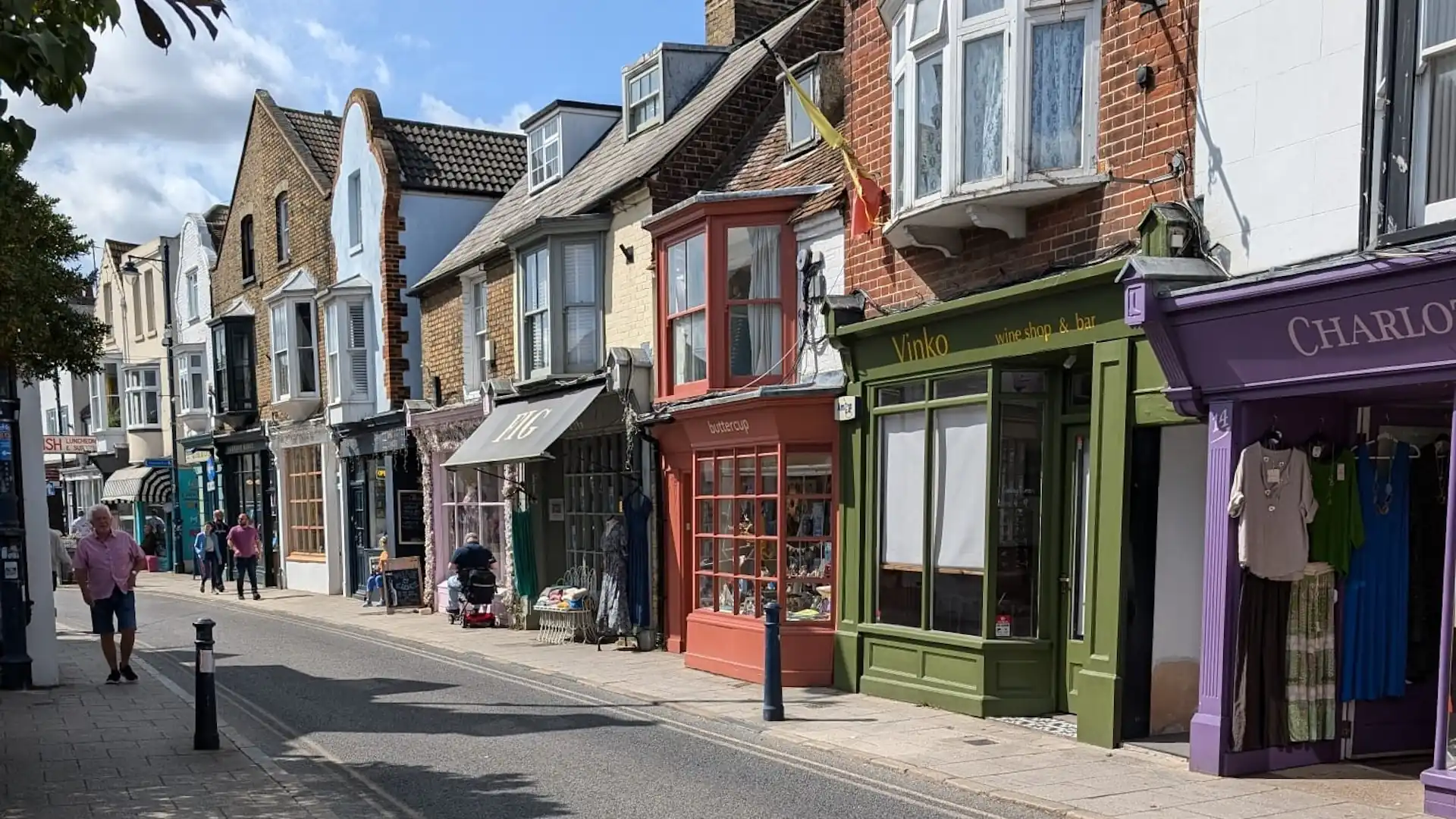
Canterbury, Whitstable, Margate, Folkestone, Deal — these towns have distinct characters, and a significant part of what gives them that character is the retention of independent traders in the face of the same pressures that have hollowed out comparable towns elsewhere.
That's not inevitable or permanent. Commercial rents in the CT area have risen. Landlords in desirable locations often prefer chain tenants — bigger companies, more predictable income, lower risk of closure mid-lease. The towns that have kept their character have mostly done it through stubbornness — a critical mass of residents who habitually shop independently, combined in some cases with active community and planning efforts to protect the mix.
It's maintained by individual choices, made daily, over years — or it isn't.
The Quality Argument
The coffee at a good independent is usually better than the coffee at a chain. The bread from a bakery that's been at it for decades is better than a supermarket loaf. The vegetables from a farm shop, bought in season from a field nearby, taste more of themselves than the same crop harvested early and transported for a week.
These things aren't always cheaper. But the quality gap is often larger than people expect, and the price gap smaller. Worth testing on one category if you're not convinced — pick one thing you buy regularly and find the independent equivalent. The comparison is usually informative.