Fifteen years ago, Margate was declining. Today, its independent creative and food scene is one of the most interesting in Kent. Here's how it happened and where to find the best of it.
The turnaround in Margate's fortunes is one of the more striking stories in recent English civic life. In the mid-2000s, the town had some of the highest levels of deprivation in the south-east, a declining seafront, and a high street that had effectively given up. By the mid-2010s, people were moving there deliberately — artists, designers, chefs, shop owners — drawn by cheap rents, the quality of the light, and a community that was actually building something.
Today it's somewhere you plan a visit around rather than drive past.
How It Happened
The Turner Contemporary gallery opened in 2011 on the seafront and gets most of the credit. It helped, particularly in changing the national narrative about the town. But the more durable factor was the arrival of independent businesses willing to take a risk. Cheap commercial rents across the town made it possible for people to open things they'd never have been able to afford elsewhere — a bakery, a gallery, a vintage shop, a small restaurant with no idea if it would work. Many of them ended up in the Old Town, where the character of the streets suited what they were doing.
Most of them worked. And each business that succeeded made it slightly easier for the next one. The density built up over several years until there were enough interesting places in a small enough area that a whole day's visit became possible without leaving the old streets behind the harbour.
The Old Town
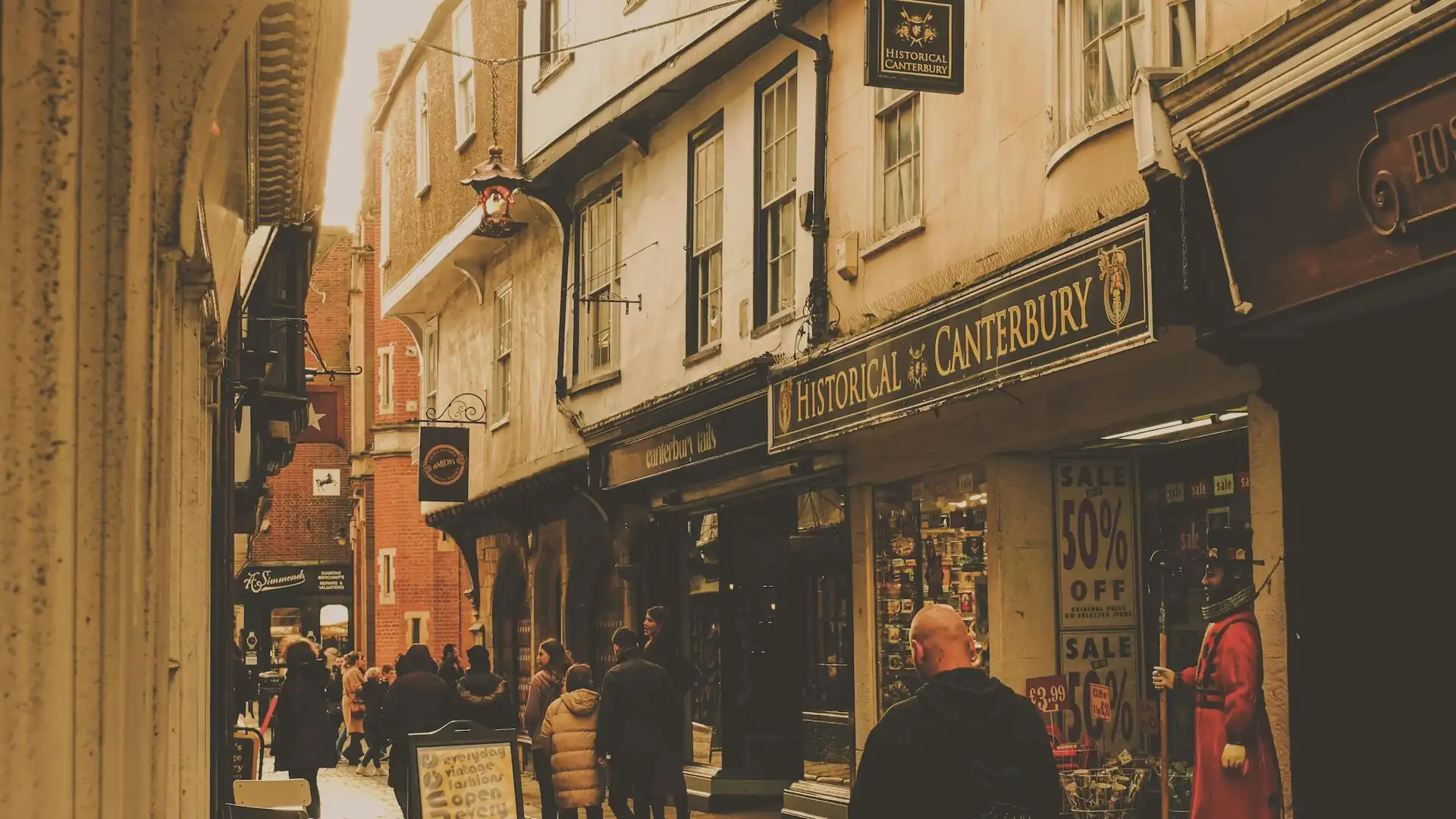
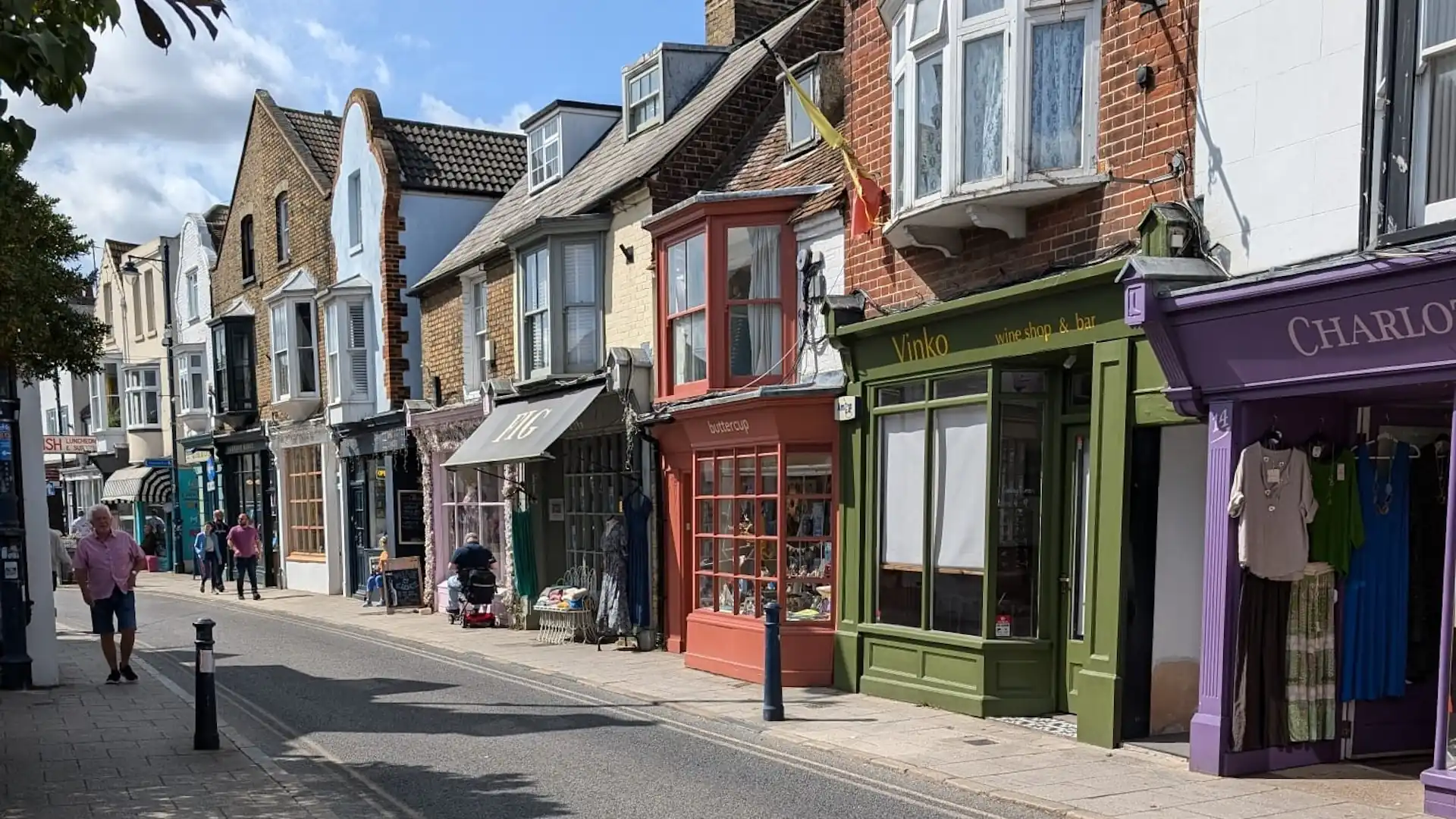
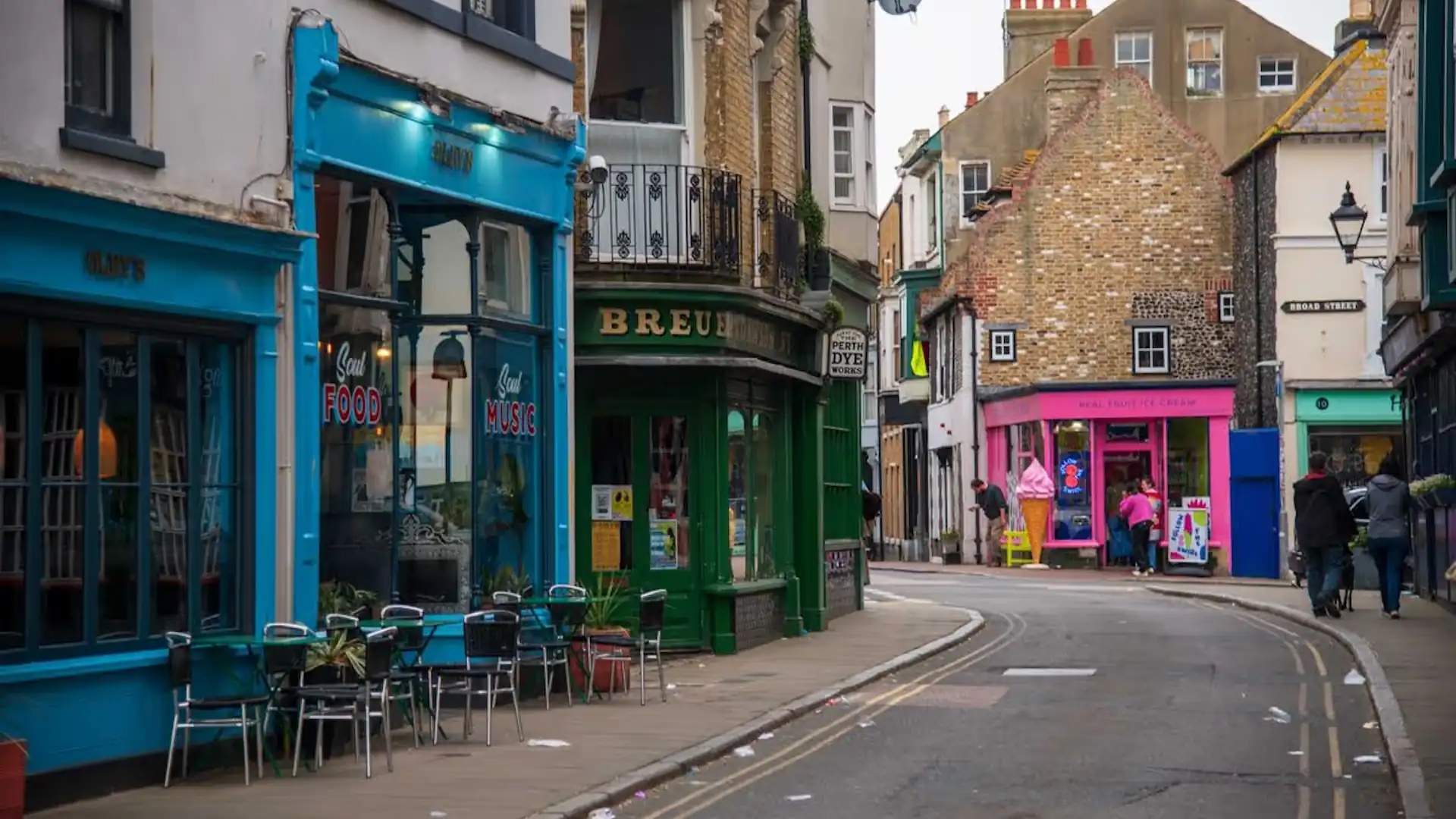
The Old Town — the warren of streets between the seafront and the clifftops — is now one of the most concentrated collections of independent retail in Kent. Independent shops, cafés, galleries, workshops, studios. Some of them have been here since the revival's early days; others are newer and sit alongside what came before.
The retail offer covers a lot of ground. Vintage clothing and furniture dealers who take their stock seriously. Independent bookshops. Ceramics and craft shops. Food businesses ranging from good bakeries to small restaurants. The mix is not curated from above — it's the result of a lot of individual decisions by individual people, which is why it has the particular texture it does.
Food and Drink
The food in Margate's Old Town is genuinely good. Not "good for a coastal town" good — several places here would be worth going to in any city. They source locally and change the menu based on what's available rather than what's been laminated for three years.
A lot of coastal towns have decent food by seaside standards. Margate's best places clear that bar by some distance. The farms in north Kent are close enough to actually use, and the better restaurants here do.
The pub scene in the old town has also improved. Several independent pubs that were rough around the edges a decade ago have found their identity. A few newer ones have opened with a clear sense of what they are. The overall offer on a Friday evening is considerably better than it was.
Vintage, Secondhand, and Craft
The vintage and secondhand trade is particularly strong in Margate, building on a tradition of market culture that predates the town's recent revival. The Old Town has serious dealers in mid-century furniture alongside boutiques selling curated secondhand clothing — shops where the stock has been actively chosen rather than just accumulated.
Some of the best vintage and craft businesses here are small enough that they're easy to miss. Worth walking the whole of the Old Town rather than sticking to the most photographed streets.
Art and Making
Art and craft are woven through the whole thing in a way that's unusual for a town of this size. Working studios, galleries showing emerging artists, ceramics workshops, printmaking spaces — some commercial, some not. The proximity of so many makers to so many shoppers creates a feedback loop. Things get made here specifically because there are people here to buy them.
The Turner Contemporary's programme continues, with a changing exhibition schedule that brings people to Margate who might not otherwise come. The gallery's café has improved; the shop stocks work by local artists. It's a decent starting point for a day, even if the Old Town is the main draw.
The Current Picture
Margate's independent scene is not entirely stable. The rents that made the original wave possible have risen considerably. Some of the early pioneers have moved on or closed, either priced out or simply done with the chapter. The town is more expensive than it was ten years ago in ways that matter for the businesses that make it interesting.
But there's enough going on now that the character feels baked in rather than dependent on any one place. Enough people have put down roots — opened businesses, moved there, built lives — that Margate feels like a place rather than a moment.
It's worth a proper day. Two days if you can manage it, particularly if you want to eat well in the evening and take the morning slowly.